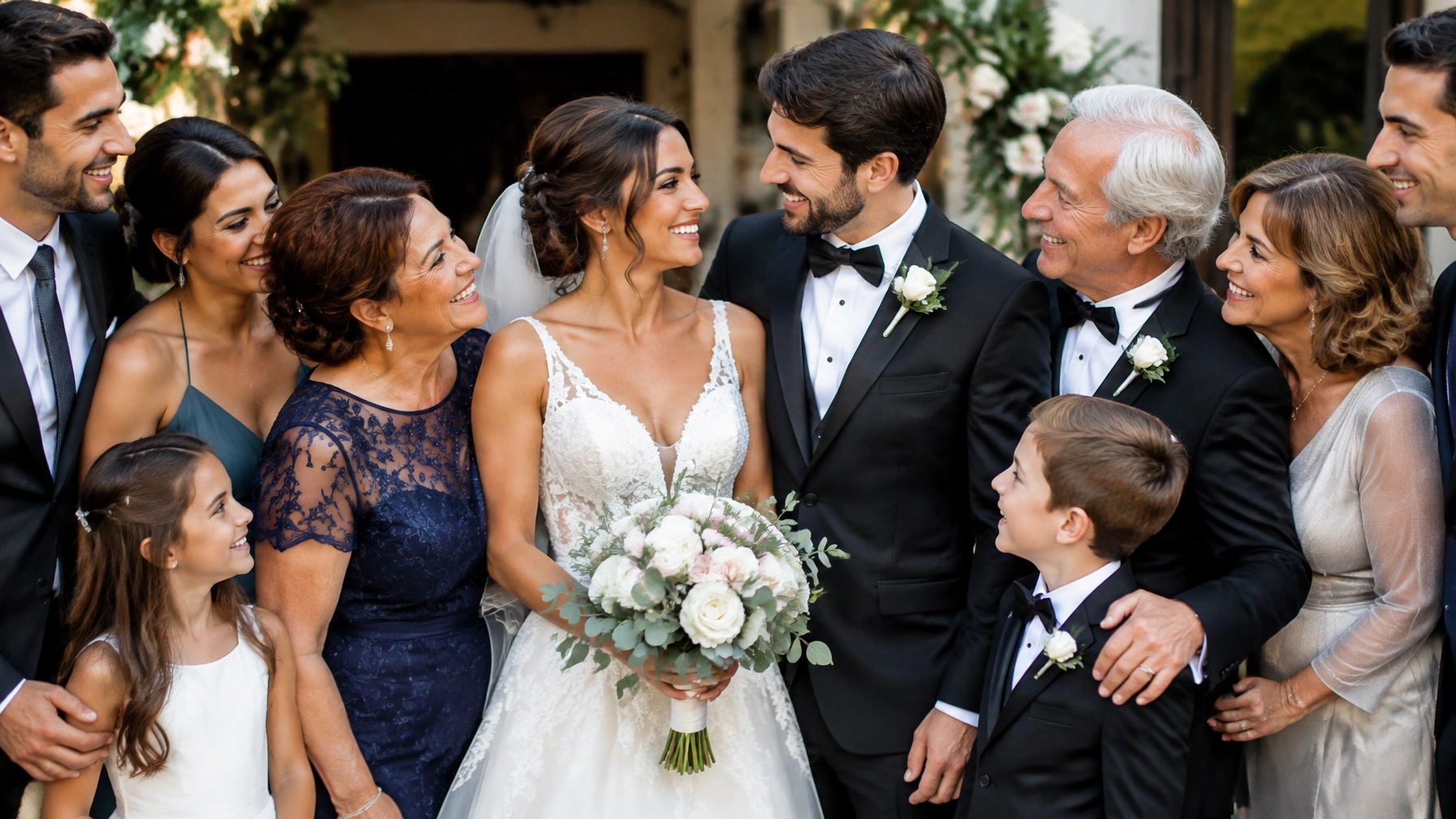
A wedding can look perfect on paper and still feel rushed, disconnected, or harder to manage than expected.
The realistic goal is not to control every minute. It is to plan the parts that matter most, give people clear direction, and leave enough room for genuine moments to happen.
After working around weddings and celebrations, one thing is clear: four areas shape the guest experience more than almost anything else.
- Memories: Make sure the people and moments that matter are covered.
- Ceremony: Build a ceremony that sounds like the couple.
- Guest fun: Give guests an easy way to participate and take home a keepsake.
- Timing and flow: Keep the reception moving without making it feel overproduced.
Use the following plan to build a wedding day that feels personal, practical, and enjoyable from start to finish.
1. Plan Photography Coverage Around the People and Moments That Matter
The ideal wedding photo plan captures everything. The realistic plan identifies what absolutely needs attention and protects enough time to do it well.
Start with a short list of priorities. Think beyond the couple and wedding party. Include the people who may not be in every formal photo but are central to the day.
Your list may include:
- Parents and stepparents
- Grandparents
- Siblings and their partners
- Multi-generational family groups
- Children in the family
- Chosen family and close friends
- Guests traveling a long distance
- Special details, heirlooms, or cultural elements
- Important moments during the ceremony and reception
Build a family portrait list by name
“Bride with family” is not specific enough. Write the actual names of the people needed for each photo.
A practical list might include:
- Couple with both sets of parents
- Couple with one partner’s immediate family
- Couple with the other partner’s immediate family
- Couple with siblings
- Couple with each set of grandparents
- Couple with children in the family
- One larger group for each side of the family
Ten to eighteen essential groupings is often a workable range. More than that can be done, but the timeline needs to reflect it.
Plan roughly two to three minutes per grouping once everyone is in place. That means a list of twelve to eighteen groupings may require thirty to forty-five minutes, including transitions and gathering people.
Assign a family photo coordinator
Do not expect the person taking photos to track down every relative. Assign one or two organized people who know both sides of the family.
Their job is simple:
- Keep the list.
- Call people by name.
- Bring the next group to the portrait location.
- Release people when they are finished.
- Keep the process moving in the planned order.
Tell everyone on the list when and where they need to be. A quick reminder in the wedding website, group message, or printed schedule can save a surprising amount of time.
Protect realistic photo blocks
If you want formal family portraits, couple portraits, wedding party photos, and candid coverage, schedule each one. Do not squeeze every photo into a ten-minute gap.
The ideal timeline has plenty of room. The realistic timeline has buffers for:
- A late arrival
- A crowded hallway
- A complicated dress or outfit
- Weather changes
- Guests needing extra direction
- Travel between ceremony and reception areas
When booking a photography professional, ask:
- How much time do you recommend for our family photo list?
- Do you help organize formal groupings?
- What happens if the timeline runs behind?
- How do you handle low light or weather changes?
- Which moments need to be identified in advance?
- Can we review the shot list and timeline together before the wedding?
A detailed list is useful. A realistic list is better.
2. Create a Ceremony That Actually Sounds Like the Couple
A ceremony does not need to be long to be meaningful. It needs to sound honest.
The strongest ceremonies usually include a clear welcome, a little context about the couple, meaningful promises, the legal elements, and a confident transition into the celebration.
The key is choosing language that feels natural. If the couple never uses formal or overly poetic language in real life, the ceremony should not suddenly sound like a movie script.
Decide what belongs in the ceremony
Before writing anything, answer a few basic questions:
- Should the ceremony be religious, secular, spiritual, cultural, or a blend?
- How much personal history should be included?
- Will the couple write personal vows?
- Are readings, songs, rituals, or family traditions important?
- Will children or other loved ones participate?
- Are there topics the couple wants kept private?
- How long should the ceremony realistically be?
A ceremony can include humor, but use it carefully. The best jokes reveal something genuine about the couple. Avoid inside jokes that leave most guests confused.
Make the personal details specific
Generic statements about love can fit almost any wedding. Specific details make the ceremony sound like one particular couple.
Share useful material with the person leading the ceremony:
- How the couple met
- What they admire in each other
- A challenge they have handled together
- Traditions they want to continue
- What home and partnership mean to them
- The role of family and friends
- A few stories that show their personality
The ceremony leader does not need every detail. They need enough context to choose the right ones.
Plan the ceremony logistics, not just the words
A strong script can still struggle if the logistics are unclear. Confirm:
- Who walks in and in what order
- Where the couple stands
- Where readings or rituals happen
- Who holds the rings
- Whether microphones are needed
- How the couple will exit
- Whether guests should remain seated afterward
- Who signs documents and when
Ask anyone you hire to lead or support the ceremony:
- How do you help personalize the ceremony?
- When will we review the script?
- How do you handle last-minute changes?
- What do you need from the couple before the wedding?
- How do you coordinate with the venue and other vendors?
- What happens if the ceremony location changes because of weather?
The goal is not a ceremony that sounds impressive to everyone else. It is one that feels right when the couple hears it spoken aloud.
3. Make Guest Keepsakes Easy, Visible, and Fun
Interactive guest experiences work best when guests understand them quickly. A photo booth, memory station, audio guest book, or message table should not feel like an assignment.
The best setup is visible, approachable, and placed where guests naturally gather.
Choose the right location
Place the experience near the action, but not in the middle of it.
A strong location usually has:
- Enough room for a line
- Space for groups to gather
- Reliable lighting and power
- Easy access from the reception area
- A clear view so guests notice it
- Distance from the dance floor and formal portrait area
Avoid placing it behind a closed door, in a narrow hallway, or somewhere guests only visit once. Also avoid blocking the bar, buffet, restrooms, exits, or important photographs.
Think about traffic flow. Guests should be able to join, participate, and move away without creating a bottleneck.
Give guests a simple reason to participate
A short sign or announcement can help:
- “Leave a message for the newlyweds.”
- “Take a photo and share a favorite memory.”
- “Grab a prop, bring a friend, and make a keepsake.”
- “Please add one photo to the guest album.”
Keep the instruction short. Guests are more likely to participate when they do not need a full explanation.
If the experience includes physical keepsakes, decide in advance:
- Who checks the supplies?
- Where do finished items go?
- Are guests allowed unlimited visits?
- Will there be a digital gallery?
- Who takes the keepsakes home at the end?
- What happens if equipment stops working?
When booking a photo booth or interactive guest experience, ask:
- How much space and power do you need?
- Who handles setup and breakdown?
- What is included in the package?
- Are prints, digital files, props, or a gallery included?
- Is an attendant present?
- What is the backup plan for equipment issues?
- How will the setup fit our décor and floor plan?
A guest experience should add energy, not compete with the main event.
4. Build Reception Timing That Flows Without Feeling Rushed
Reception flow is not about filling every minute. It is about giving the evening a comfortable rhythm.
Guests should know what is happening next without feeling like they are being moved through a checklist.
Cluster major events
Avoid stopping the reception every twenty minutes for another announcement. Group related moments together.
A practical opening sequence might be:
- Guest arrival and seating
- Couple’s entrance
- First dance
- Welcome or blessing
- Dinner
- Toasts
- Cake cutting
- Open dancing and social time
Your order may look different, but the principle remains the same: group formal moments so the celebration can return to a relaxed atmosphere.
Add buffers between key moments
Build five to ten minutes of breathing room around major events. This gives people time to take their places, adjust microphones, move chairs, and prepare without making guests wait in silence.
Buffers are especially useful before:
- The grand entrance
- Toasts
- Special dances
- Cake cutting
- Cultural or family traditions
- A late-night snack
- The final send-off
Tell the person managing announcements what must happen, what can move, and what should never be skipped.
Protect the atmosphere
Announcements should be clear and brief. The person speaking should know:
- How to pronounce names
- Which announcements are essential
- What tone fits the couple
- When guests need to move
- When to let the room enjoy the moment
- Which events require a warning for other vendors
Share the full timeline with every key vendor. If a special dance, toast, or cake cutting matters, the people responsible for capturing or supporting it need advance notice.
When booking someone to manage music, announcements, or reception flow, ask:
- How do you build and manage a timeline?
- How do you handle delays?
- How do you coordinate with the couple, planner, venue, and other vendors?
- How do you keep announcements concise?
- What information do you need before the wedding?
- What is your backup plan for equipment or staffing issues?
The ideal reception runs exactly on schedule. The realistic reception has a plan that can flex without losing momentum.
Final Checklist: Print This Before You Book Vendors
Use these questions to bring the four pillars together:
- Have we listed the people and moments we most want remembered?
- Is there enough time for family portraits and transitions?
- Does the ceremony sound like us?
- Have we planned the ceremony logistics as carefully as the script?
- Is the guest experience visible and easy to use?
- Will the setup support traffic flow?
- Are announcements grouped instead of scattered?
- Does the timeline include buffers?
- Does every vendor know the important moments?
- Have we asked each vendor about backups, communication, setup, and delays?
A wedding does not need to be complicated to feel complete. Plan the memories, make the ceremony personal, give guests something easy and fun to do, and build enough flexibility into the timeline for the day to breathe.
If you prefer one experienced team to help think through several moving parts, Team Titus Events is always happy to be part of the planning conversation.
Leave a Reply