Blog

  • Hour by Hour: How the Team Titus Services Rotation Runs Photography, Officiant, Photo Booth & DJ Through One Celebration Day

    Hour by Hour: How the Team Titus Services Rotation Runs Photography, Officiant, Photo Booth & DJ Through One Celebration Day

    A smooth celebration doesn’t happen because every moment goes exactly to plan. It happens because people know what comes next, key details are shared, and the schedule has room to breathe.

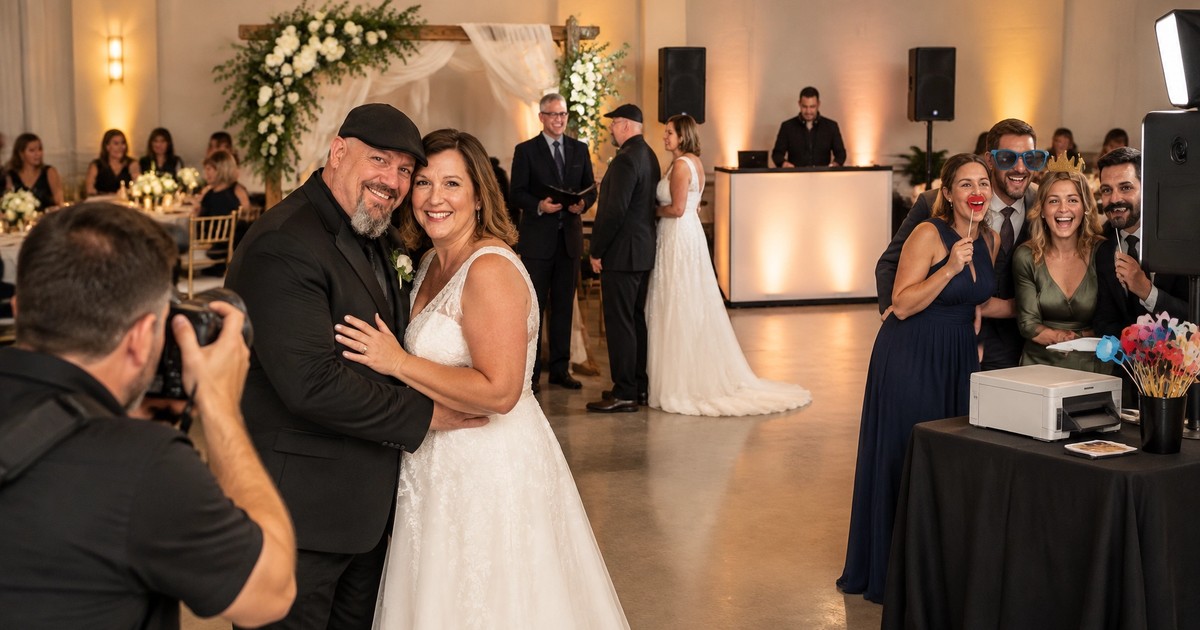
    Here’s a realistic sample timeline for a wedding day with a 1:30 p.m. ceremony. The hours can shift for your event, but the handoffs stay useful: the photographer and officiant confirm the ceremony sequence, the DJ handles music and announcements, and the photo booth opens when guests have time to enjoy it. With one family-run team serving Michigan since 1985, you can plan with one trusted group instead of directing several vendors yourself.

    The same practical approach helps at graduation parties, birthdays, anniversaries, corporate events, school events, and community gatherings. It’s a helpful foundation for mid-Michigan event planning, whether your celebration is in Midland, Bay City, Saginaw, or elsewhere in the area.

    1. Photography

    10:30 a.m.–12:30 p.m. | Setup, details, and people

    Photography starts with the details that will soon be part of the day: the room, ceremony setup, flowers, keepsakes, and other meaningful touches. The photographer also checks in with the hosts about the schedule, important people, and any must-have moments.

    This early conversation is one of the first handoffs. The photographer and officiant confirm where the ceremony will happen and how the couple or honorees will enter. The DJ can then match the processional music and microphone plan to that sequence. Nobody needs to chase down three separate answers.

    12:30–1:15 p.m. | Guest arrival and final checks

    As guests arrive, the photographer gets into position and captures greetings and candid moments. The ideal schedule may have every guest seated right on time. Realistically, people arrive in a wave. A little space before the ceremony gives everyone time to settle without putting pressure on the start.

    1:30–2:00 p.m. | Ceremony and key moments

    During the ceremony, the photographer focuses on expressions, reactions, and the important moments as they happen. After the recessional, they capture congratulations and guide the couple or honorees into the planned portrait window.

    2:00–2:45 p.m. | Portraits and a practical buffer

    A short, prepared list of family and group photos keeps portraits moving. Build in a 10- to 15-minute cushion for a quick touch-up, a missing relative, or a brief weather adjustment. That buffer can protect the rest of the day from a small delay.

    Photography isn’t only for weddings. Team Titus captures memories for weddings, engagements, seniors, families, and kids. Whatever the occasion, the benefit is the same: the people and moments you want to remember are thoughtfully documented. Explore Team Titus photography.

    2. Officiant

    Before the event | Plan a ceremony that fits

    A ceremony works best when it reflects the people at its center and fits the day’s schedule. Reverend Dean works with couples to personalize the ceremony, whether they want a traditional, religious, interfaith, or non-religious service. That preparation helps the ceremony feel like theirs while keeping the order clear for everyone involved.

    When comparing wedding officiants in Michigan, ask how the officiant will coordinate the processional, readings, vows, and any special elements with the rest of the team. These details affect more than the ceremony itself. They also help the photographer prepare for important moments and the DJ cue music at the right time.

    12:45–1:20 p.m. | Final ceremony check

    Before guests are seated, Reverend Dean confirms the ceremony order and names, checks the planned microphone setup, and connects with the photographer and DJ. A shared sequence means the photographer knows where to be, the DJ knows when to start and stop music, and the officiant can focus on leading the ceremony.

    1:30–2:00 p.m. | Lead the ceremony

    The officiant guides the ceremony at a steady pace. If the day is running a few minutes behind, the team can make a practical adjustment, such as tightening a transition, without rushing the meaningful parts. Once the ceremony ends, the photographer takes the lead on the planned portraits while the DJ helps guests move toward the next part of the celebration.

    That’s the advantage of Michigan wedding vendors who communicate as a team: hosts don’t have to relay the same update from person to person. Learn more about Reverend Dean’s officiant services.

    3. Photo Booth

    11:30 a.m.–12:30 p.m. | Set up and test

    The photo booth needs to be ready before guests are looking for something to do. The team sets up the equipment, tests the guest experience, and checks that the booth is easy to find without blocking an entrance, dining area, or busy walkway.

    For a 1:30 p.m. ceremony, the booth can be ready before guests arrive, then remain closed during the ceremony. That choice keeps attention on the couple and avoids inviting guests away from the main event.

    2:00–4:00 p.m. | Open during the reception

    Once guests are settled after the ceremony, the photo booth adds an easy activity while people mingle. Guests can take home instant prints, try props, use custom templates, and share images digitally. The result is a fun keepsake they can enjoy at the event and after it.

    The timing matters. If the booth is open during portraits or a key announcement, guests may miss those moments. The DJ can announce when the booth opens, and when it reopens after dinner, so guests know where to go without the hosts having to manage the traffic.

    4:00–4:30 p.m. | Pause for dinner, then reopen

    A brief pause during dinner gives guests a chance to eat and lets attention stay with the meal. After dinner and any scheduled toasts, the DJ announces that the booth is open again. The booth team can then welcome guests back for another round of photos.

    Hosts comparing options for an event photo booth in Bay City or elsewhere in mid-Michigan can see Team Titus photo booth features. The service includes instant prints, props, custom templates, and digital sharing, all with setup and breakdown handled by the team.

    4. DJ and Entertainment

    12:15–1:30 p.m. | Sound check and guest arrival

    The DJ checks the sound system, confirms the ceremony cues, and reviews names and announcements with the hosts. Before guests arrive, the DJ and officiant confirm the processional and recessional music. The photographer is already aware of the sequence, so all three services are ready for the same moments.

    During guest arrival, the DJ plays prelude music and gives clear, brief directions as needed. That steady welcome helps the celebration begin without asking the hosts to keep track of who is seated or what happens next.

    1:30–2:00 p.m. | Ceremony cues

    The DJ plays the agreed music and supports the ceremony with sound and microphone cues. When the ceremony ends, the DJ helps direct guests toward the reception space. Meanwhile, the photographer moves into portraits and the photo booth prepares to open. Each service can focus on its own part because the handoff has already been discussed.

    2:45–4:00 p.m. | Reception, dinner, and announcements

    The DJ manages the reception flow with music and concise announcements. For example, the DJ can invite guests to find their seats, announce dinner, introduce planned speakers, and let guests know when the booth is available. Checking the sequence with the hosts ahead of time helps keep announcements useful rather than constant.

    4:30 p.m.–last song | Open dancing and finale

    Once formal moments are complete, the DJ signals the start of open dancing. If guests are still enjoying the photo booth, a quick announcement can point them back toward it between songs. Later, the DJ prepares everyone for the final song and makes sure the close of the event feels clear rather than abrupt.

    Professional DJ services in Michigan are about more than a playlist. A professional DJ provides music, announcements, and reception flow management so the hosts can stay present with their guests. See DJ and entertainment services.

    From the first setup check to the last song, one shared plan makes the day easier to run. Team Titus is a family-run, one-stop event company serving Michigan since 1985, with photography, officiant, photo booth, and DJ services working together. If you’re planning a wedding or another celebration in Midland, Bay City, Saginaw, or across mid-Michigan, contact Team Titus Events. We’d be glad to help you build a realistic timeline and a celebration that flows.

  • Where to Spend and Where to Save: A Realistic Celebration Budget Breakdown

    Where to Spend and Where to Save: A Realistic Celebration Budget Breakdown

    Planning a celebration budget is less about finding one perfect percentage and more about deciding what guests will actually experience.

    An anniversary party, milestone birthday, graduation, retirement gathering, family reunion, company event, fundraiser, or community celebration can look very different. The budget framework, however, stays fairly consistent: protect the parts that affect comfort and flow, spend carefully on details guests notice, and leave room for the costs that appear after the headline quote.

    The ideal plan keeps every category perfectly balanced. The realistic plan gives you priorities, buffers, and clear limits.

    How to Set Your Celebration Budget Before You Shop

    Start with three decisions:

    1. What is the total amount you can comfortably spend?
    2. How many guests are you expecting?
    3. What should the event feel like?

    That third question matters. A relaxed backyard gathering, formal dinner, school celebration, and corporate reception do not need the same spending pattern.

    Write down your top two or three priorities. They might be:

    • Comfortable food and seating
    • A smooth schedule
    • Strong music and announcements
    • An attractive room
    • Meaningful photographs
    • Activities that keep guests involved
    • Easy access and convenient parking
    • A polished experience for clients, donors, or employees

    Your priorities should receive the first look at the budget. Everything else can be evaluated afterward.

    A useful starting point is to build a working budget, not a wish list. Use percentage ranges until you have real quotes. This helps you compare vendors without becoming attached to a price that does not include taxes, staffing, delivery, or setup.

    A Realistic Celebration Budget Breakdown

    Use these ranges as a planning framework. They are not fixed rules, and they will not add up perfectly for every event. A dinner-heavy event will spend more on food. A production-heavy company event may need more for audio and screens. A simple family gathering may spend more on food and less on decor.

    Venue and Space: 20%–35%

    The venue affects nearly every other category. It can determine your guest capacity, furniture needs, catering rules, cleanup requirements, sound limitations, and event hours.

    Spend more when the space provides meaningful value, such as:

    • Tables and chairs
    • Useful kitchen access
    • Setup or cleanup support
    • Adequate restrooms
    • Parking and accessibility
    • Reliable heating or cooling
    • Weather protection for outdoor areas
    • Flexible load-in and load-out times

    Save by choosing a space that already fits the event. A room that needs extensive draping, furniture rental, lighting, and decoration may not be less expensive than a slightly higher-priced venue with practical inclusions.

    Ideal: You find a beautiful space that includes everything you need.

    Realistic: You choose the space that creates the fewest extra costs.

    Food and Beverage: 25%–35%

    Food is one of the categories guests remember most. That does not mean you need the most expensive menu. It means the food should match the event length, guest expectations, service style, and schedule.

    Protect the essentials:

    • Enough food for the expected attendance
    • A clear plan for dietary needs
    • Water and nonalcoholic options
    • Timely service
    • Adequate staffing
    • Safe food holding and storage

    You can save by simplifying the menu, choosing seasonal ingredients, using a buffet instead of plated service, or limiting the number of beverage options. Avoid cutting portions or service support so far that the meal becomes difficult to manage.

    Ask whether the quote includes service charges, staffing, rentals, delivery, tax, cake cutting, coffee service, and cleanup. A lower menu price may not be the lower final price.

    Entertainment and Audio: 5%–15%

    This category includes music, announcements, microphones, performers, speakers, and other program support.

    Spend where entertainment affects the event’s pace and participation. A skilled host or experienced entertainment professional can help guests understand what is happening, move between activities, and stay engaged.

    Save by reducing the number of specialty additions. You may not need multiple entertainment zones, elaborate effects, or equipment for every area of the venue.

    Do not automatically remove audio support from the budget. A celebration can have excellent food and decor, yet feel disorganized if guests cannot hear announcements or understand the schedule.

    Decor and Visual Details: 5%–15%

    Decor sets the tone, but not every surface needs attention. Choose two or three visual areas that will make the largest difference:

    • The entrance
    • The main food or dessert table
    • The stage or presentation area
    • Guest tables
    • A photo or activity area

    Save by repeating a few strong elements instead of buying many unrelated decorations. Use one color palette, rent reusable pieces, and choose decor that serves more than one purpose.

    For example, attractive table arrangements can also create clear seating zones. A simple backdrop can support photos, presentations, and sponsor recognition.

    Photography and Memory-Making: 5%–10%

    If the event marks an important milestone, decide in advance which memories you want preserved. You may need formal group photos, candid guest coverage, detail images, or a simple photo activity for guests.

    The right level of coverage depends on the event. A short gathering may only require limited coverage. A full-day celebration or large community event may need more time and planning.

    You can save by defining the coverage window clearly and creating a short priority list. This is more practical than booking broad coverage without deciding what the photographer should capture.

    Staffing and Coordination: 5%–10%

    Staffing is easy to undervalue because it is often less visible than food or decor. In practice, the right support can protect the entire schedule.

    Consider who will handle:

    • Vendor arrivals
    • Guest questions
    • Room resets
    • Food timing
    • Microphone handoffs
    • Gift or card tables
    • Cleanup coordination
    • Weather-related changes
    • Final departure details

    If family members or employees are expected to manage these tasks, list the responsibilities before assigning them. People who are also guests may not be available when needed.

    Where to Save Without Reducing the Guest Experience

    The best savings usually come from reducing complexity, not quality.

    Simplify the Menu

    Choose fewer selections with stronger execution. A focused menu is easier to order, serve, label, and replenish.

    Use Decor Strategically

    Put visual effort where guests gather and take photos. Avoid spending evenly across areas that receive little attention.

    Limit Custom Printing

    Digital invitations, simple signage, and reusable templates can reduce printing and rush-order costs. Print only what guests need to navigate the event.

    Choose One Strong Activity

    One well-planned activity often works better than several loosely organized options. Match the activity to the audience and allow enough time for participation.

    Keep the Schedule Manageable

    Every additional transition can create staffing, equipment, and timing needs. Build a program that feels full without being crowded.

    Where Not to Cut Too Deeply

    Some categories protect the comfort and flow of the celebration. Cutting too far can create pressure for guests and hosts.

    Be cautious about reducing:

    • Seating
    • Restrooms
    • Food quantity
    • Water and nonalcoholic beverages
    • Microphones and basic audio
    • Setup and cleanup labor
    • Weather protection
    • Accessibility support
    • Time for vendor setup
    • The contingency reserve

    A practical event is not necessarily an extravagant event. It is one where the essential pieces work together.

    The Costs That Are Easy to Forget

    Before approving a quote, ask for the complete all-in number. Add these line items to your worksheet:

    • Service charges
    • Gratuities
    • Sales tax
    • Delivery fees
    • Setup and teardown
    • Rental pickup
    • Staffing minimums
    • Overtime rates
    • Venue security
    • Coat check or parking support
    • Permit fees
    • Insurance requirements
    • Cake cutting or corkage fees
    • Extra power or equipment
    • Last-minute printing
    • Weather-related changes
    • Credit card or payment processing fees

    Known charges should be added to the category they affect. Do not treat them as contingency. If catering includes a service charge and tax, place those amounts inside your catering total. If equipment requires delivery and setup, include those costs under production or logistics.

    Then set aside a separate 10%–15% contingency reserve for changes you cannot predict. This may cover extra guests, replacement rentals, added staffing, extended event time, weather adjustments, or a necessary last-minute purchase.

    How to Build a Practical Payment Schedule

    A budget is easier to manage when you track timing, not just totals.

    Create columns for:

    • Vendor or category
    • Estimated cost
    • Confirmed cost
    • Deposit due
    • Final payment due
    • Tax and fees
    • Paid amount
    • Remaining balance
    • Cancellation or change terms

    Review the sheet after every major decision. Guest counts affect food, seating, rentals, staffing, and sometimes the venue itself. Do not wait until the final week to check whether the original budget still works.

    For additional planning structure, a resource such as Airtable’s event planning and budgeting template can help organize vendor details and payment dates.

    Printable Celebration Budget Starter List

    Print this list or copy it into a spreadsheet:

    • Set the total spending limit
    • Confirm the guest estimate
    • Choose the event’s top three priorities
    • Reserve the venue and review inclusions
    • Request all-in food and beverage pricing
    • Budget for entertainment and basic audio
    • Select the highest-impact decor areas
    • Decide what memories should be documented
    • Assign setup, coordination, and cleanup responsibilities
    • Add delivery, tax, service charges, and gratuities
    • Confirm overtime and cancellation terms
    • Plan for weather or venue changes
    • Hold back 10%–15% for contingency
    • Record deposits and final payment dates
    • Review the budget after each major booking

    The strongest celebration budgets are not built around spending the most. They are built around spending intentionally, confirming the real costs, and protecting the guest experience.

    If you want a practical second perspective while organizing your celebration, Team Titus Events is always happy to hear what you are planning and offer a warm place to start.

  • From First Look to Last Dance: The Team Titus Services Rotation That Covers Every Moment of Your Celebration

    From First Look to Last Dance: The Team Titus Services Rotation That Covers Every Moment of Your Celebration

    A celebration isn’t one big moment. It’s a series of smaller ones that build on each other: a first look, the ceremony, a burst of laughter at the photo booth, and the song that gets everyone onto the dance floor.

    When you plan those moments as one connected experience, the day feels easier to enjoy. Team Titus Events brings four services together in a natural rotation (Photography, Officiant, Photo Booth, then DJ and entertainment) so the people capturing, guiding, and energizing your celebration can work as one trusted team.

    Here’s how to think through that rotation, whether you’re planning a wedding, family milestone, or another special event in Midland, Bay City, Saginaw, or elsewhere in mid-Michigan.

    1. Photography: Start by preserving the moments you’ll want to revisit

    Photography often begins before guests arrive. For a wedding, that might mean detail photos, getting-ready moments, and a first look. For a family celebration, it could be a relaxed portrait session before everyone gets busy visiting.

    The practical benefit of planning photography early is that it gives the day a clear starting point. Decide which moments matter most, then build a realistic schedule around them. If a first look is part of your plan, set aside time for it and portraits afterward. If you’re gathering a large family group, choose a point person who can help bring people together.

    A simple photo list can help, but keep it focused. Include the combinations or details you’d be disappointed to miss, and leave room for candid moments. Good photography isn’t only about posed portraits; it’s also about the smiles, embraces, and small interactions happening in between.

    Team Titus Photography captures weddings, engagements, seniors, families, and kids, creating timeless images that help preserve the people and feeling of the day. The service is available for more than wedding-day coverage, too, so families can return to the same trusted team for milestone portraits as life changes.

    Print this planning reminder: Write down your must-have photo moments, the people needed for each, and where you’d like them to happen. Share the list in advance so no one has to figure it out while guests are waiting.

    Learn more about Team Titus Photography.

    2. Officiant: Give the ceremony a personal, steady center

    The ceremony is a key transition in the day. It brings everyone together, gives the celebration its meaning, and sets the tone for what follows. A ceremony that feels personal starts with a conversation about what matters to you, not a last-minute script decision.

    Reverend Dean works with couples to shape meaningful ceremonies that reflect their relationship and values. Whether you picture a traditional, religious, interfaith, or non-religious ceremony, talking through the details ahead of time helps you feel prepared and present.

    A few practical points make the ceremony flow more smoothly:

    • Confirm the processional order and who will cue it.
    • Share any readings, personal vows, or ceremony traditions in advance.
    • Agree on where the officiant, couple, and wedding party will stand.
    • Build a little breathing room into the schedule before guests are seated.

    That last point matters. The ideal plan may have everyone ready precisely on time; the realistic plan gives the couple and wedding party a few extra minutes to get into place. A modest buffer helps keep the ceremony calm if portraits, travel, or guest arrivals take longer than expected.

    The officiant also connects the ceremony to the rest of the celebration. When the key people know the timing and handoff, the transition from the final words to the recessional, and then to the next part of the day, feels more natural.

    Explore Team Titus Officiant Services to learn how Reverend Dean can help you plan a ceremony that feels like yours.

    3. Photo Booth: Turn guest downtime into instant keepsakes

    Once the ceremony is over, guests often have a little time to mingle while the couple takes portraits or the reception space is prepared. A photo booth gives guests something fun to do during that stretch, and sends them home with a keepsake from the celebration.

    Think about placement before the event. Choose a spot that is easy to find, but doesn’t block an entrance, buffet line, or main walkway. If the booth will open during cocktail hour, make sure guests know where it is. If you’d rather have it running later, the DJ can announce when it’s ready.

    A booth can also match the tone of your gathering. Props and a custom photo template can make the experience feel connected to the event, whether you’re hosting a wedding, anniversary, birthday, graduation, or company celebration. Instant prints give guests a physical memory to take with them, while digital sharing and an online gallery offer another way to revisit the fun.

    The key is to place booth time around the moments you want guests to focus on together. For example, keep it available during mingling, pause it for dinner or speeches, and reopen it when the dance floor gets going. That way, guests can enjoy both the planned program and the spontaneous fun.

    Team Titus handles the booth setup and breakdown, so you don’t have to recruit a friend to manage props, troubleshoot equipment, or remind people how to use it. It’s one more detail covered by a team that already understands the event’s rhythm.

    See the options for Team Titus Photo Booth experiences.

    4. DJ and entertainment: Keep the reception moving without rushing it

    The DJ does more than play songs. Music, announcements, and well-timed transitions help guests know what’s happening and where to go next. A clear plan also gives the evening room to breathe instead of feeling like one formal moment is chasing another.

    Before the event, decide which announcements you want, which songs are essential, and whether there are any selections you’d prefer to skip. Then agree on the order of key moments, such as the entrance, dinner, toasts, special dances, and open dancing.

    Keep the schedule realistic. If you want guests to enjoy dinner and conversation, allow enough time for both. If you’re planning several speeches, let speakers know the expected length and give the DJ or MC a clear cue for each handoff. A practical run-of-show might look like this:

    1. Guests arrive and settle in.
    2. The DJ welcomes guests and introduces the entrance.
    3. Dinner and toasts take place.
    4. Special dances or other planned moments follow.
    5. Open dancing begins, with the photo booth available again.

    Not every celebration needs the same sequence. A graduation party, company event, or milestone birthday may have a very different rhythm from a wedding. Talk through the audience and the mood you want, then shape the music and announcements around that.

    Team Titus Entertainment provides music, announcements, and reception flow management for weddings and other events. When the DJ is part of the same team as your other services, it’s easier to coordinate cues (like when the photo booth opens or when guests should be seated) without asking you to relay every detail on the day.

    Get to know Team Titus DJ and entertainment services.

    Build one connected plan, not four separate checklists

    A smooth celebration doesn’t require an elaborate schedule. It needs a few clear decisions: what matters most, who is responsible for each cue, and when one moment hands off to the next.

    Start with the parts of the day that have fixed times, such as the ceremony or venue access. Add photography and setup windows, then plan the reception flow around your guests. Give transitions some extra time. Share the final schedule with the people who need it, and choose one contact who can answer day-of questions so you can stay focused on your celebration.

    That’s where a one-stop-shop approach can make planning simpler. Instead of coordinating separate teams for photography, the ceremony, the photo booth, and entertainment, you can work with one family-run company that understands how those pieces fit together. Team Titus Events has served Michigan since 1985, bringing nearly 40 years of experience and personal, accountable service to celebrations.

    Whether you’re planning in Midland, Bay City, Saginaw, or elsewhere in mid-Michigan, Team Titus can help you map out a celebration that feels organized and still leaves room for the moments you didn’t schedule.

    Ready to talk through your plans? Contact Team Titus Events: we’d be glad to help you bring every moment together.

  • How to Plan Your Celebration Around the Team Titus Rotation: Photography, Officiant, Photo Booth & DJ

    How to Plan Your Celebration Around the Team Titus Rotation: Photography, Officiant, Photo Booth & DJ

    A great celebration does not happen because every detail runs on its own. It works because the right pieces happen in the right order.

    After years of working events week after week, we have learned that the smoothest celebrations follow a practical rotation:

    1. Photography preserves the moments.
    2. The officiant gives the ceremony meaning and direction.
    3. The photo booth adds instant guest fun and keepsakes.
    4. The DJ carries the energy, announcements, and reception flow.

    This order is not a rigid formula. Every event has its own timing, traditions, and venue layout. But it gives you a realistic starting point for building a celebration that feels organized without feeling overproduced.

    The biggest advantage is accountability. When one trusted team understands the full event instead of four separate vendors working in isolation, communication gets easier. Transitions become cleaner. You spend less time answering the same question multiple times.

    Here is how to plan around each part.

    How to Start With Photography That Captures What Lasts

    Photography comes first in the rotation because the images outlast the event itself.

    The music will end. The meal will be served. Guests will eventually head home. Your photographs will continue telling the story years later. That makes photography more than a schedule item. It is the record of the people, details, and emotions that made the day matter.

    For a wedding, that may include getting-ready moments, a first look, family portraits, the ceremony, candid guest interactions, and the reception. For an engagement session, it may be relaxed portraits that show your relationship without a formal event happening around you.

    The same principle applies to other milestones. Senior portraits mark a major transition. Family photography preserves the relationships that change as children grow. Kids’ celebrations often produce the funniest and most genuine images because children rarely follow a script.

    Build a practical photography timeline

    Start by deciding what you want documented. Then work backward from the ceremony, main program, or event start time.

    A realistic photography plan should include:

    • Photographer arrival and setup
    • Detail photos before guests arrive
    • Getting-ready or preparation coverage
    • First-look or pre-event portraits, if desired
    • Family and group photographs
    • Ceremony and guest reactions
    • Couple, honoree, or family portraits
    • Reception entrances, toasts, dances, and candid moments
    • A final set of planned photographs before the event ends

    Do not schedule portraits right up against the ceremony or reception entrance. Build in a real buffer. Someone will need a touch-up, a family member will be in the wrong room, or a group photo will take longer than expected.

    Choose one person who can help gather family and wedding-party members. The photographer should be focused on creating images, not tracking down every cousin, sibling, or friend.

    You can explore Team Titus photography services for examples of how wedding, event, portrait, senior, family, and children’s photography can fit into different celebrations.

    How to Plan an Officiant-Led Ceremony With Warmth and Confidence

    Once the photography plan is clear, shape the ceremony around the people at its center.

    The officiant does more than read a script. A strong officiant helps the ceremony feel personal, meaningful, and comfortable. They guide the couple or honorees through the important moments while helping guests understand what is happening next.

    That guidance matters, especially when nerves are high. A confident ceremony leader keeps the pace steady, gives clear instructions, and knows how to adjust when real life interrupts the ideal plan.

    Confirm the ceremony details early

    Before the event, review:

    • Ceremony length
    • Processional and recessional order
    • Readings, traditions, or special elements
    • Vows and ring exchange
    • Names and pronunciations
    • Microphone and sound needs
    • Where the officiant will stand
    • Who is responsible for the marriage license or required paperwork
    • What happens if weather changes the ceremony location

    If you are planning a wedding, give the officiant enough time to understand your relationship and your preferred tone. A traditional ceremony, a religious ceremony, an interfaith ceremony, and a secular ceremony each need a different approach.

    The ideal ceremony may happen outdoors beneath perfect weather. The realistic ceremony needs a backup location, a sound plan, and a clear processional route.

    If weather, late arrivals, or a room change affects the schedule, the officiant should know who has authority to make the final call. That prevents several people from giving conflicting directions.

    Review Team Titus officiant services when you are building a ceremony that should feel personal without becoming difficult to manage.

    How to Use the Photo Booth for Guest Fun and Instant Keepsakes

    The photo booth works best when it supports the celebration instead of competing with it.

    Its unique benefit is immediate. Guests take home something tangible, and the experience gives them an easy way to participate. A printed photo strip can become a favor, a scrapbook addition, or a keepsake from the night.

    The booth also creates a different type of image than professional event photography. Your photographer captures meaningful moments and polished portraits. The booth captures playful expressions, group energy, and the guests who may not spend much time in front of the professional camera.

    Choose the right photo booth location

    Place the booth where guests can see it, but do not block:

    • The dance floor
    • The ceremony sightline
    • Food and beverage service
    • Restrooms or exits
    • Accessible pathways
    • The photographer’s main working areas

    A visible location near the reception activity usually works well. Leave enough space for a short line without creating a traffic jam.

    Open the booth during cocktail hour if it is ready. This gives early guests something to do while portraits are underway. Then keep it quieter during dinner, speeches, and major dances. Reopen it after the formalities when guests are ready to relax and move around.

    A simple announcement is enough. Tell guests where the booth is, whether prints and digital sharing are available, and when it will pause or reopen. Avoid interrupting a toast or a packed dance floor just to promote it.

    Before the event, confirm power, lighting, backdrop space, props, printer supplies, and digital sharing. Give guests clear options if they do not want their images shared online.

    See the Team Titus photo booth experience for details on instant prints, digital sharing, props, custom templates, and unlimited sessions.

    How to Let the DJ Manage Music, Announcements, and Reception Flow

    The DJ comes last in the rotation because the DJ connects everything that happens after the ceremony.

    A professional DJ does not simply press play. The role includes music selection, announcements, microphone handoffs, introductions, timing cues, and reception flow management. When the evening needs to move from dinner to speeches, from speeches to dancing, or from a special dance to the next activity, the DJ helps guests understand that transition.

    Give the DJ one clear run-of-show

    Your DJ should have:

    • Event start and end times
    • Load-in and setup access
    • Ceremony and reception locations
    • Entrance order and name pronunciations
    • Processional and recessional music
    • Toast order and speaker names
    • Special dances or traditions
    • Meal timing
    • Photo booth open and pause times
    • Last song and venue hard-out
    • The name of the person authorized to change the schedule

    Keep one person in charge of final decisions. That may be a planner, coordinator, host, or designated family member. The DJ should not receive five different versions of the timeline from five different people.

    Protect guest attention. During dinner, let people eat. During a toast, let them listen. During a special dance, let them watch. The photo booth, bar, and dance floor can all be active parts of the event, but they should not compete for attention at the same moment.

    After the formalities, give the DJ enough uninterrupted time to build the party. Constantly stopping the music can make the reception feel disjointed. A steady dance set usually creates more energy than a series of short starts and stops.

    The Team Titus DJ and entertainment service includes music, MC support, announcements, and the practical coordination that keeps the reception moving.

    How One Trusted Team Makes the Rotation Easier

    The rotation works best when every service understands the full plan.

    Photography needs to know when the ceremony begins. The officiant needs to know where to stand and when the processional starts. The photo booth needs to open at a time that does not compete with dinner or formalities. The DJ needs to know when each transition is ready.

    With separate vendors, you may have to repeat the same information several times. You may also become the person responsible for connecting every handoff.

    With one trusted event team, the communication chain is simpler. The people involved can coordinate timing, setup, guest flow, and changes with a shared understanding of the day.

    Print one final run-of-show. Include arrival times, locations, contacts, portrait lists, ceremony cues, meal timing, photo booth hours, speeches, special dances, and the weather backup. Send it to the key people before the event, then review it again shortly before the celebration.

    That document does not need to control every minute. It needs to make the important moments clear.

    Build Your Celebration Around What Actually Works

    The ideal event timeline is neat on paper. The realistic timeline includes buffers, weather options, late guests, room changes, and a few unexpected interruptions.

    Plan for those things instead of treating them as failures.

    Start with photography. Shape a meaningful ceremony with the officiant. Place the photo booth where guests can enjoy it without creating traffic. Then let the DJ guide the reception with music, announcements, and steady transitions.

    That is the Team Titus rotation: four connected services, one coordinated plan, and a celebration that feels easier to enjoy.

    When you are ready to talk through your event timeline, contact Team Titus Events. We will help you build a practical plan around the people, moments, and memories that matter most.

  • The Best Questions to Ask Before You Book Photography, an Officiant, a Photo Booth, or a DJ

    The Best Questions to Ask Before You Book Photography, an Officiant, a Photo Booth, or a DJ

    How to Build a Smarter Vendor Checklist Before You Sign

    The ideal celebration runs on a perfect timeline. Everyone arrives early. The weather cooperates. Every guest follows the photo list. The sound system works without a hitch.

    The realistic celebration needs more than good intentions. It needs clear questions, written expectations, timing buffers, and a backup plan.

    After nearly 40 years in the event business, the Team Titus Events team has seen what helps celebrations run smoothly. The best vendors do not simply promise a great experience. They explain what is included, what happens when plans change, and who is responsible for each detail.

    Before you book photography, an officiant, a photo booth, or a DJ, ask questions that turn a general promise into a practical plan. Then put the answers in the contract.

    Start with the basics for every service:

    • Who will actually be there on the event day?
    • What exactly is included in the quoted price?
    • Are setup, teardown, travel, overtime, taxes, and additional staff included?
    • What is the payment, cancellation, and rescheduling policy?
    • What happens if the vendor becomes ill or equipment fails?
    • Who is the main contact before and during the celebration?
    • How will the vendor coordinate with the venue and other professionals?

    Print this list. Bring it to every consultation. The right answers will make your planning easier.

    How to Choose Photography That Preserves More Than the Big Moments

    Photography should capture the people, details, and emotion that make your celebration yours. That applies to weddings, engagements, senior portraits, family sessions, kids, corporate events, and milestone celebrations, not just one type of event.

    The ideal photographer delivers beautiful portraits. The realistic goal is broader: someone who can manage a changing schedule, notice meaningful details, and stay calm when the day moves faster than expected.

    Before booking a photography service, ask:

    • Who will be the lead photographer, and will that person be named in the contract?
    • How many hours are included?
    • Are preparation, details, group portraits, the ceremony, reception, and exit covered?
    • How much time do you need for family photos and portraits?
    • Who will help organize family members during formal photos?
    • How do you handle low light, difficult weather, crowded spaces, or a shortened timeline?
    • Do you use backup cameras, memory cards, batteries, and lenses?
    • What happens if the photographer is sick or delayed?
    • How many edited images should we expect?
    • When will previews and the complete gallery be delivered?
    • Are printing rights, personal-use rights, albums, or digital files included?

    Do not settle for a vague answer such as “You will receive plenty of photos.” Ask for a realistic range and a defined delivery window.

    Also ask to see complete galleries, not only the best images from several events. A highlight reel shows potential. A full gallery shows consistency.

    Build a practical photo timeline before the event. Include travel time, detail photos, family groupings, sunset portraits, and a buffer for people who are not quite ready. The ideal timeline is efficient. The realistic timeline leaves room for conversation, wardrobe adjustments, and guests who wander away at the exact wrong moment.

    How to Book an Officiant for a Personal and Meaningful Ceremony

    An officiant shapes the tone of the ceremony. The right person delivers it with warmth and confidence while keeping the proceedings clear, organized, and personal.

    A ceremony does not need to be long to feel meaningful. It does need to sound like the people being celebrated.

    Before booking an officiant, ask:

    • Are you legally authorized to perform the ceremony in the location where it will take place?
    • Who is responsible for obtaining, signing, and returning the marriage license?
    • How many planning meetings are included?
    • Will you help write a custom ceremony?
    • Can we review and approve the final script?
    • Can you include religious, cultural, family, or personal elements?
    • How do you handle names, pronouns, readings, and special requests?
    • Do you attend the rehearsal, and is that included?
    • How long will the ceremony usually run?
    • What cues do you need from the DJ, musicians, coordinator, or wedding party?
    • What happens if you are sick, delayed, or unavailable?

    The ideal ceremony feels effortless. The realistic ceremony requires preparation. Confirm the processional order, readings, vows, music cues, ring exchange, unity elements, and recessional before the event day.

    Pay close attention to legal responsibilities. Marriage-license rules vary by jurisdiction, and the vendor’s contract should explain who handles each step. Confirm important requirements with the appropriate government office as well.

    A personal ceremony is not created by adding more words. It comes from asking good questions, learning your story, and building a ceremony that feels natural to you and your guests.

    How to Select a Photo Booth That Delivers Instant Memories

    A photo booth should give guests something to do, something to laugh about, and something to take home. The best setup becomes part of the celebration without creating another problem for the host.

    Before booking a photo booth, ask:

    • What type of booth is included?
    • How much space, ceiling clearance, power, and lighting does it require?
    • How early will the team arrive for setup and testing?
    • Is an attendant included?
    • How many service hours are covered?
    • Are prints, digital files, props, backdrops, and a custom template included?
    • Are sessions unlimited?
    • What size and quality are the printed keepsakes?
    • How do guests receive digital copies?
    • When will the complete online gallery be available?
    • What happens if the printer, camera, tablet, internet, or power fails?
    • What backup equipment is available onsite?

    The ideal booth fits perfectly into the floor plan. The realistic booth needs a confirmed footprint, a clear power source, and enough setup time. Ask the venue where the booth can go without blocking food service, guest traffic, exits, or the dance floor.

    Instant prints are a major benefit because guests can leave with a physical reminder. Digital sharing adds convenience, but it should not replace clear information about print quality and availability.

    Also ask whether guest information is collected. If email or phone numbers are requested, find out why, whether consent is optional, and how that information is handled.

    How to Choose a DJ Who Keeps the Celebration Flowing

    A DJ does more than play music. Professional entertainment includes clear announcements, reliable sound, smooth transitions, and reception flow management.

    The ideal DJ keeps the energy high all night. The realistic DJ also knows when to lower the volume, move the timeline forward, coordinate with the venue, and give guests clear instructions.

    Before booking DJ and entertainment services, ask:

    • Who will be the actual DJ and MC?
    • Can we meet that person before signing?
    • Is music included for the ceremony, cocktail hour, dinner, and reception?
    • Are microphones included for vows, readings, toasts, and announcements?
    • Do you provide a backup microphone for the ceremony?
    • How do you collect must-play and do-not-play requests?
    • Can we approve introductions, pronunciations, special dances, and formal announcements?
    • How do you handle guest requests?
    • What equipment do you bring, and what does the venue need to provide?
    • Are lighting, uplighting, or additional sound systems separate charges?
    • What happens if the DJ becomes ill or the equipment fails?
    • What are the setup, teardown, overtime, travel, and cancellation terms?

    Give the DJ a complete run-of-show. Include the ceremony cues, dinner timing, speeches, dances, photo booth hours, last song, and any cultural or family traditions.

    Do not assume the DJ automatically knows the venue’s sound limits or load-in rules. Ask the venue for those details and share them early. A strong entertainment plan respects the space while keeping the reception moving.

    How to Use One Shared Plan for Every Vendor

    Booking separate vendors can work well, but coordination becomes easier when everyone has the same information. A one-stop-shop approach gives you one trusted team handling multiple details instead of several disconnected conversations. That means fewer handoffs, fewer repeated explanations, and one clear point of accountability.

    Team Titus Events is family-run and has served celebrations since 1985. That kind of long-term experience matters because vendors learn how photography, ceremonies, entertainment, and guest experiences affect one another.

    Whether you use one team or several vendors, build one shared timeline. Include:

    • Arrival and setup times
    • Ceremony start and end
    • Portrait windows
    • Meal and speech timing
    • Photo booth opening and closing
    • Special dances and announcements
    • Teardown and departure

    Assign one person to answer vendor questions on the event day. That might be a coordinator, planner, trusted family member, or venue representative. The host should not be solving microphone issues while getting ready for the ceremony.

    Finally, request the final contract before paying the retainer. Check the names, date, location, hours, deliverables, payment schedule, overtime rate, cancellation policy, replacement plan, and every special promise.

    The ideal celebration feels effortless because the work happened beforehand. Ask direct questions. Choose realistic promises over vague guarantees. Build timing buffers. Put the plan in writing.

    That is how you protect the details, the people, and the experience you are working so hard to create.

  • The Rotation, Hour by Hour: How Photography, Officiant, Photo Booth, and DJ Carry Your Celebration From Start to Finish

    The Rotation, Hour by Hour: How Photography, Officiant, Photo Booth, and DJ Carry Your Celebration From Start to Finish

    A well-run celebration doesn’t feel like a schedule. Guests aren’t watching a clock, and the couple isn’t wondering who is supposed to take over next. The day simply keeps moving.

    That ease comes from giving each part of the celebration a clear lead: photography preserves the early moments, the officiant guides the ceremony, the photo booth gives guests an easy way to join in, and the DJ manages the reception’s sound and flow.

    Here’s a realistic wedding-day rotation built around a 4:00 p.m. ceremony and a 6:00 p.m. dinner. Your event may start earlier or later, but the handoffs, and the buffers that protect them, work just as well for other celebrations.

    How to Start the Day With Photography

    10:00 a.m.–3:15 p.m. | Preparation, portraits, and a protected pause

    Photography often leads the day because so many important moments happen before guests arrive. Build the schedule backward from the ceremony, then give preparation and portraits enough room to happen without rushing.

    A practical morning might look like this:

    • 10:00–10:30 a.m.: Photograph the room, attire, flowers, rings, and other details.
    • 10:30 a.m.–1:30 p.m.: Cover final preparations, candid interactions, and getting-ready moments.
    • 1:30–2:15: Allow time to get dressed and take a few quiet portraits.
    • 2:15–3:15: Photograph the couple, wedding party, and immediate family.
    • 3:15–4:00: Protect a buffer for touch-ups, late arrivals, travel between nearby spaces, or simply a chance to breathe.

    The ideal plan may put every portrait in perfect light and every person exactly where they need to be. The realistic plan includes a few extra minutes for a missing boutonniere, a dress adjustment, or relatives who need help finding the portrait spot. Print a short family-photo list and ask one organized person to help gather people. That small step keeps portraits focused and gets everyone back to the celebration sooner.

    Photography does more than document how the room looked. It preserves the people, details, and emotion that make a day worth remembering after it has passed. The same thoughtful approach can suit engagements, senior portraits, family sessions, and kids’ celebrations, too. See the range of photography sessions and event coverage.

    The handoff: Photography can continue during the ceremony and reception, but its early-day lead is preparation and portraits. Before the processional, confirm where the photographer will stand, which family groups are still needed, and when the couple should be ready for the ceremony.

    How to Give the Officiant a Clear Ceremony Window

    3:30–4:30 p.m. | Final check, ceremony, and a clean recessional

    If the ceremony begins at 4:00, aim to have the wedding party ready and in position by about 3:30. That half hour is useful, not wasted time. It gives the officiant a chance to confirm the processional order, check the microphone, review any readings, and make sure the paperwork is accounted for.

    A ceremony may be brief or more detailed, but its length should be intentional. Talk through the order of events in advance: who walks in when, where people stand, who will read, how the vows will work, and what happens immediately after the couple is pronounced married. Ask who is holding the paperwork and where it will go afterward. Those practical questions are easier to settle before guests are seated.

    For microphones, decide who needs one and test it from the back of the room. A microphone that sounds clear near the couple may be difficult to hear farther away. If there is no sound system, discuss that early so the ceremony can be planned accordingly.

    The ideal ceremony runs exactly to the minute. The realistic one leaves a few minutes for guests to settle and for the wedding party to line up without pressure. A warm, confident officiant helps guests follow what’s happening while keeping the moment personal. For ideas about ceremony guidance, visit the officiant services page.

    The handoff: After the recessional, give the couple a moment to greet guests or move into any remaining portraits. Meanwhile, guests can head toward cocktail hour. The next activity should be easy to find and ready before people start looking for something to do.

    How to Open the Photo Booth During Cocktail Hour

    4:30–5:30 p.m. | A simple activity guests can join at their own pace

    Cocktail hour is a natural first window for a photo booth. Guests have arrived, the couple may be finishing portraits, and people are looking for a relaxed way to mingle. A booth gives them a clear invitation: step in, take a picture, share a laugh, and keep moving.

    The booth should be set up and tested before guests arrive. Choose a spot that’s easy to see but doesn’t block the bar, food service, or main path through the room. Make sure the line has somewhere to form without crossing a doorway. If there are props, keep them together and within reach.

    The ideal booth experience has a steady line from the first minute. In practice, guest traffic comes in waves. Some people will be eager to take pictures during cocktail hour; others will wait until they see friends using it. Instant prints or digital sharing give guests a keepsake, and the relaxed, playful snapshots create a different kind of image from the professional gallery.

    Keep the booth available for a second window after the formalities, often around 7:30–9:30 p.m., once dinner, toasts, and special dances are finished. Guests can come back between songs, and groups that weren’t ready to pose earlier get another chance. Learn more about photo booth options and guest features.

    The handoff: Before dinner begins, make sure guests know where the booth will be later. Then shift attention toward the reception entrance and meal. A quick announcement or a visible sign can help guests understand what’s next without interrupting the evening.

    How to Let the DJ Carry the Reception Flow

    5:30 p.m. onward | Dinner announcements, toasts, dances, and open dancing

    A DJ’s job is not just to play a playlist. The DJ helps guests know where to go and what is happening next, manages microphone handoffs, and keeps the reception moving without making it feel overproduced.

    A practical sequence could be:

    • 5:30–6:00: Welcome guests into the reception space and prepare for the couple’s entrance.
    • 6:00–6:15: Make the entrance announcement and, if planned, begin special dances.
    • 6:15–7:15: Support dinner service with appropriate background music and clear, brief announcements.
    • 7:15–7:35: Introduce toasts and manage microphone handoffs.
    • 7:35 onward: Make any remaining announcements, then invite guests onto the dance floor.

    The exact timing depends on the meal. A buffet, plated dinner, and family-style service all move differently, so coordinate the schedule with whoever is managing food service. For toasts, share the speaker order in advance, identify who will hold the microphone next, and give speakers a helpful time expectation. The ideal plan has every speaker ready at once; the realistic plan allows a few minutes to locate someone or reset the room between moments.

    Special dances can happen right after the entrance or after dinner. Choose the spot that fits the couple and the room. Then give guests a clear signal when formalities are over and open dancing begins. A confident emcee can make that transition feel natural. Explore what DJ and entertainment services can include beyond music, such as announcements and reception-flow support.

    How to Make Each Handoff Easier With One Shared Plan

    When several people are managing different parts of the day, coordination can become its own job. Separate calendars, contracts, arrival plans, and communication chains create more chances for details to get lost.

    One trusted team handling multiple parts of a celebration can simplify that coordination: fewer schedules to compare, one point of contact, and a shared timeline that shows when each person leads and what the next handoff looks like. It can also make practical details easier to align, such as where equipment is set up, when a room needs to be clear, or who will make an announcement.

    That doesn’t mean every moment needs to be tightly choreographed. It means everyone working the event has the same basic plan, and knows who to ask when something changes. A clean handoff protects the guest experience because guests can focus on the celebration instead of figuring out where to go or what comes next.

    For the couple, the payoff is simple: fewer logistics to carry in your head. For guests, it’s a day that feels welcoming and easy to follow.

    How to Build a Timeline That Works in Real Life

    Start with the ceremony time, then add preparation, portraits, travel, and reception milestones. Leave a buffer before the ceremony and between major transitions. Share the finished timeline with the people responsible for each part, and confirm the final details a few days before the event.

    Most importantly, treat the schedule as a guide, not a test. A realistic timeline leaves room for people to be people. When photography, the officiant, the photo booth, and the DJ each have a clear window and a clean handoff, the day can feel organized without feeling rigid.

    If you’re planning a wedding or another milestone celebration, we’d love to help you map out the day. Reach out to Team Titus Events when you’re ready, and we’ll build a rotation that fits your people, your venue, and the moments you most want to keep.

  • How to Plan a Seamless Celebration: Photography, Officiant, Photo Booth, and DJ

    How to Plan a Seamless Celebration: Photography, Officiant, Photo Booth, and DJ

    A seamless celebration does not happen by accident. It comes from clear priorities, a realistic timeline, and trusted professionals who understand how each part of the day affects the next.

    After years of working events, we have seen the ideal plan and the realistic plan. The ideal plan runs perfectly on paper. The realistic plan includes guests who arrive early, family photos that take longer than expected, weather changes, and a few schedule adjustments. The difference is having a team that can adapt without making the celebration feel rushed.

    Whether you are planning a wedding, graduation party, birthday, anniversary, corporate gathering, school event, or community celebration, four essentials help create a well-run experience:

    1. Photography
    2. Officiant services
    3. Photo booth entertainment
    4. DJ and event entertainment

    When one trusted team can coordinate these services, planning becomes simpler. You spend less time managing separate vendors and more time making decisions that actually shape the guest experience.

    Start With a Realistic Celebration Timeline

    Before choosing details, build a basic timeline around the moments that matter most.

    For a wedding, that may include preparation, the ceremony, family portraits, dinner, toasts, special dances, and open dancing. For a graduation or corporate event, it may include guest arrival, presentations, awards, group photos, activities, and a closing announcement.

    Write down the key moments first. Then add the services around them.

    Build in practical buffers. A 15-minute cushion before the ceremony, between formal photos, or before a major presentation can prevent one delay from affecting the entire event. Also create a weather backup for outdoor ceremonies, portraits, and guest activities. Choose an indoor option you genuinely like rather than treating it as an emergency location.

    The goal is not to control every minute. The goal is to give everyone enough information to work together.

    A single team handling multiple details can make that process easier. Instead of repeating the same timeline to four separate vendors, you can coordinate with people who already understand how the services connect.

    1. Photography: Capture Memories That Last

    Photography does more than document what happened. It preserves the people, details, and emotion that may be easy to miss during a busy celebration.

    A well-run photography plan includes both the major moments and the smaller ones. That means portraits, family groupings, décor, meaningful details, candid conversations, laughter, and the expressions guests make when they think nobody is watching.

    Photography can support many types of celebrations, including:

    • Weddings and engagement sessions
    • Senior portraits
    • Family sessions
    • Children’s photography
    • Graduation celebrations
    • Corporate gatherings
    • Anniversary and milestone events

    The value is not limited to the final gallery. Professional photography also helps you think through the event schedule. A photographer can identify the best time for portraits, recommend a practical shot list, and help organize family photos so they do not take over the day.

    Build a Useful Shot List

    Print this list or keep it on your phone:

    • Immediate family
    • Wedding party or honored guests
    • Hosts and organizers
    • Special traditions
    • Important décor and personal details
    • Group photos that must not be missed
    • Key moments such as speeches, awards, dances, cake cutting, or ceremonies

    Keep the list focused. A short, organized list works better than an overly detailed document that slows everything down.

    Also plan for realistic lighting. Outdoor photos may look ideal in the late afternoon, but weather, season, and the event schedule can change that. Identify an indoor backup with good natural light or enough space for professional lighting.

    When photography is coordinated with the rest of the celebration, the experience feels more natural. The photographer knows when to step forward, when to stay unobtrusive, and when the schedule needs a small adjustment.

    Explore Team Titus photography services for wedding, event, portrait, family, senior, and corporate photography options.

    2. Officiant: Create a Personal, Meaningful Ceremony

    For weddings and commitment celebrations, the officiant sets the tone for one of the most important portions of the day.

    A strong ceremony should feel personal without becoming difficult to follow. It should reflect the couple, welcome the guests, and move confidently from one moment to the next.

    The officiant helps shape practical details such as:

    • Ceremony length
    • Processional order
    • Readings and special traditions
    • Vows and ring exchanges
    • Unity rituals
    • Pronouncement and recessional
    • Microphone and sound needs
    • Timing for family and wedding party positioning

    The best ceremonies are not necessarily the longest or most elaborate. They are the ones that feel authentic and well-paced.

    Share your priorities early. Decide whether you want a traditional, religious, interfaith, non-religious, or fully customized ceremony. Discuss names, pronunciations, family involvement, cultural elements, and any topics you do or do not want included.

    Your officiant should also communicate with the photographer and entertainment team. The photographer needs to know where key moments will happen. The DJ or sound professional needs to know when music begins, when microphones are required, and how the ceremony transitions into the next portion of the celebration.

    That coordination matters. A meaningful ceremony should not end with guests wondering what happens next. Build a clear transition from the final words to the recessional, portraits, cocktail hour, dinner, or reception.

    Learn more about personalized officiant services.

    3. Photo Booth: Give Guests Instant, Fun Keepsakes

    A photo booth adds an activity guests can enjoy throughout the celebration. It also creates physical and digital memories they can take home immediately.

    Unlike formal photography, a photo booth encourages guests to relax, be playful, and create their own images. It works especially well for weddings, milestone birthdays, graduations, holiday events, corporate gatherings, and community celebrations.

    A photo booth is most effective when you plan its placement and timing carefully.

    Choose the Right Location

    Place the booth where it is easy to find but does not block:

    • Guest traffic
    • Buffet or food service
    • Dance space
    • Emergency exits
    • Main photography areas
    • Presentation or ceremony sightlines

    Give guests enough room to enter, gather props, and move away without creating a line through the center of the event.

    Match the Booth to the Celebration

    Choose a backdrop, template, and prop collection that fits the event. A formal anniversary may call for a clean, elegant design. A graduation or birthday party may benefit from brighter colors and more playful options. Corporate and school events can include custom branding when appropriate.

    Schedule the booth during a time when guests are available to use it. Cocktail hour, open reception time, and the later portion of the event often work well. For a corporate or community gathering, leave it open during the main networking period.

    A professional setup should include clear instructions, reliable equipment, fast prints, and a simple digital sharing option. It should add energy without requiring the host to manage it.

    Because photo booth images are more spontaneous, they complement professional photography rather than replace it. One captures the polished story of the celebration. The other gives guests a chance to create their own version.

    See the Team Titus photo booth experience for details about instant prints, digital sharing, custom templates, props, unlimited sessions, and online galleries.

    4. DJ & Entertainment: Manage Music, Announcements, and Flow

    Music is only one part of professional entertainment. A skilled DJ or MC also helps the event move smoothly from one segment to the next.

    That may include:

    • Ceremony processional and recessional music
    • Guest arrival music
    • Introductions
    • Dinner announcements
    • Toasts and speeches
    • Special dances
    • Cake cutting
    • Awards or presentations
    • Games and group activities
    • Open dancing
    • Closing announcements

    The entertainment plan should support the purpose of the event. A wedding may require a polished reception flow. A graduation party may need a flexible playlist and clear announcements. A corporate gathering may benefit from professional pacing and carefully timed presentations.

    Create a must-play list and a do-not-play list when appropriate. Share the pronunciation of important names. Confirm who is allowed to make last-minute requests. Then give your entertainment professional enough room to read the room and adjust the energy.

    Sound checks matter, too. Test microphones before speeches begin. Confirm that the ceremony area, reception space, and presentation area are covered. Review lighting placement so it enhances the atmosphere without distracting guests or creating difficult conditions for photography.

    When the DJ, photographer, officiant, and other event professionals work from the same timeline, transitions become cleaner. Guests hear the right announcement, the photographer is in position, and the next activity starts without a long period of confusion.

    Review DJ and entertainment services.

    How One Trusted Team Simplifies Celebration Planning

    Coordinating four separate vendors can create four calendars, four contracts, four arrival plans, and four communication chains. None of those vendors may know what the others have promised.

    A one-stop event team reduces that complexity. You have one trusted point of contact for questions about timing, setup, transitions, and service details. The team can look at the celebration as a complete experience rather than as disconnected tasks.

    That does not mean every event needs every service. Start with your priorities. Choose the services that improve the guest experience and support the moments you want to remember.

    Then ask practical questions:

    • Who is the main point of contact?
    • Who manages setup and breakdown?
    • How are weather changes handled?
    • When will the team arrive?
    • Who communicates timeline changes?
    • What equipment or space is required?
    • How do the services coordinate with one another?

    Clear answers create confidence long before the event begins.

    Print This Final Planning Checklist

    Before your celebration, confirm that you have:

    • A shared master timeline
    • A realistic weather backup
    • A focused photography shot list
    • Ceremony details approved with the officiant
    • A practical photo booth location
    • Music preferences and announcement notes
    • Sound and power requirements confirmed
    • Vendor arrival and setup times
    • One clear day-of contact
    • Buffer time between major activities

    A seamless celebration is not about making every moment look perfect. It is about preparing well enough that real-life changes do not derail the experience.

    Photography preserves the story. The officiant gives important moments meaning. The photo booth invites guests to participate. DJ and entertainment services keep the celebration moving.

    When those pieces work together, and one trusted team can help coordinate them, the planning feels more manageable and the event feels more natural from beginning to end.

  • How to Book Your Celebration Team in the Right Order: Photography, Officiant, Guest Fun, and Music

    How to Book Your Celebration Team in the Right Order: Photography, Officiant, Guest Fun, and Music

    Vendor booking order trips people up because every service feels important at the same time. And honestly, they all are.

    But they do not all need to be booked on the same schedule.

    After working events week after week, the most practical approach is to lock in the pros whose availability shapes the day first. Then add the services that support guest experience and reception flow. This keeps your plans flexible without leaving the important details to chance.

    This order works for weddings, engagements, anniversaries, graduations, reunions, milestone birthdays, and family celebrations. If your date and venue are already confirmed, use this sequence:

    1. Photography
    2. Officiant and ceremony
    3. Photo booth and guest keepsakes
    4. Music and reception flow

    If you have less than a year to plan, keep the order and shorten the timeline. The sequence still works.

    1. Book Photography First for Family Memories

    Photography usually books about 10 to 14 months ahead for popular dates. For a smaller celebration or weekday event, four to eight months may be enough. Still, if family portraits are a major priority, start early.

    Why first? A photographer can only cover one event at a time. More importantly, photography affects your schedule. Portraits, group photos, milestone moments, and candid coverage all need room in the day.

    The ideal plan is a perfectly organized portrait list with every family member ready. The realistic plan includes children who need breaks, grandparents who move more slowly, guests who are still finding the right room, and relatives who arrive a few minutes late. Build for real life.

    What to lock in first

    Before booking, decide what kind of coverage matters most. For a family celebration, that may include:

    • Multi-generational family portraits
    • Grandparents with grandchildren
    • Siblings and extended family
    • Senior or graduate portraits
    • Anniversary portraits
    • Reunion group photos
    • Candid photos of children and guests
    • Important details, such as awards, memory tables, or keepsakes

    Create a rough portrait list before you speak with photographers. It does not need to be perfect. It simply helps you compare coverage and planning support.

    For formal groupings, allow two to three minutes per grouping. A list with 20 combinations can easily require an hour. That is realistic planning, not overbuilding.

    Assign one reliable family photo coordinator. This person should know who belongs in each group, help locate relatives, and keep the list moving. Do not make the guest of honor manage this job.

    Questions to ask before booking photography

    1. What exactly is included in the coverage time? Ask about arrival, setup, formal portraits, candid coverage, and departure.
    2. How do you handle family portrait lists and large multi-generational groups?
    3. What happens if the timeline changes or portraits run longer than expected?
    4. Who is the backup if you become ill or cannot attend?
    5. How do we communicate changes before the event, and when is the final timeline due?
    6. Are editing, delivery, gallery access, and print or download options included?

    Book photography first among these four services. Then use the photographer’s availability and recommendations to shape the portrait portion of your schedule.

    2. Book the Officiant and Build a Ceremony That Sounds Like You

    An officiant typically books eight to 12 months ahead for weddings and other formal ceremonies. For a simple renewal, anniversary ceremony, or family celebration, six months may be plenty. Popular dates and highly requested officiants can fill sooner.

    The ceremony deserves early attention because it establishes the emotional and practical rhythm of the day. It also affects photography, guest seating, music cues, and the time available for portraits afterward.

    The ideal ceremony sounds personal from the first sentence to the last. The realistic ceremony needs clear decisions, useful details, and enough time for the officiant to turn your ideas into a polished script.

    What to decide up front

    Talk through the basics before the writing begins:

    • How long should the ceremony be?
    • Who will speak, read, perform, or participate?
    • Are there cultural, religious, family, or personal traditions to include?
    • Will there be personal vows, repeat-after-me vows, or both?
    • Are there children, parents, grandparents, or friends with special roles?
    • What tone feels right: formal, warm, humorous, spiritual, or simple?

    Give the officiant specific details instead of a general request to “make it personal.” Share how you met, what you value, what you admire about each other, family stories, meaningful traditions, and the tone you want guests to feel.

    For non-wedding celebrations, the ceremony may be a welcome, tribute, renewal, award presentation, or short reflection. The same principle applies: decide what the gathering is honoring, then build the words around that purpose.

    Ceremony logistics people often forget to plan

    Confirm where participants stand. Decide who holds rings, certificates, microphones, or other items. Identify who cues the processional and recessional. Plan for sound, lighting, accessibility, weather, and seating.

    If the ceremony is outdoors, have a weather plan that includes more than a backup location. Decide where equipment moves, how guests are notified, and whether the ceremony time changes.

    Questions to ask before booking an officiant

    1. How do you create a ceremony that reflects our story, family, and preferred tone?
    2. What information do you need from us, and when are drafts or planning conversations scheduled?
    3. How do you handle changes to the ceremony order, readings, vows, or participants?
    4. What happens if you are unavailable on the event date? Is there a qualified backup?
    5. Who manages the microphone, processional cues, and ceremony timing?
    6. What is included in the fee, and are rehearsal guidance, travel, filing, or ceremony revisions separate?

    Book the officiant before the ceremony details become an afterthought. A clear ceremony makes every later part of the day easier to schedule.

    3. Book the Photo Booth After the Core Schedule Is Clear

    Photo booths usually book four to eight months ahead. For peak Saturdays or larger celebrations, booking earlier is smart. For a casual weekday gathering, you may have more flexibility.

    This service can wait until photography and the ceremony are moving in the right direction. The reason is simple: the booth supports guest fun, but it should not compete with portraits, meals, speeches, or the dance floor.

    The ideal setup is visible, attractive, and easy to use. The realistic setup also needs power, open floor space, guest traffic, and a plan for props and keepsakes.

    Choose the location carefully

    Place the booth where guests naturally gather, but not where they need to cross the dance floor or block the main entrance. Keep it away from narrow hallways, catering paths, and formal portrait areas.

    Allow room for:

    • The booth equipment
    • A line of guests
    • Props or accessories
    • A guestbook or keepsake table
    • Staff movement
    • Power access
    • A clear background

    Use simple signage. Tell guests how to participate, where prints or digital files go, and whether they should leave a copy in a guestbook. Too many instructions slow the line.

    Settle the keepsake plan before the event. Decide whether guests receive prints, digital files, albums, guestbook copies, or a combination. Confirm who takes the guestbook home and who receives the online gallery.

    Questions to ask before booking a photo booth

    1. How much space, power, and setup time do you need?
    2. Where should the booth be placed to support traffic flow without blocking portraits or the dance floor?
    3. What prints, digital files, props, backdrops, or keepsake options are included?
    4. Who handles setup, operation, breakdown, and guest questions?
    5. What happens if the event schedule changes or the booth opening time moves?
    6. What is the backup plan for equipment failure, staff illness, or delivery delays?

    Book the booth once you know the room layout and broad reception schedule. Then include it on the shared timeline so every vendor knows where it belongs.

    4. Book Music and Finalize Reception Flow Last

    Music professionals often book eight to 12 months ahead, especially for popular dates. Even when music is not the main focus, the person managing announcements and reception cues affects the entire guest experience.

    This section is not about choosing a specific style of entertainment. It is about creating a reception flow that feels organized without feeling rigid.

    The ideal timeline moves smoothly from one moment to the next. The realistic timeline includes dinner service running long, a speaker needing an extra minute, guests lingering during portraits, or a child needing a quick reset. Build in breathing room.

    Group formal moments together

    Instead of scattering announcements throughout the evening, group related moments when possible. For example, introductions, welcome remarks, a toast, and a first formal activity may fit into one clean block.

    Use five- to 10-minute buffers around major transitions. Add time before dinner, after dinner, before formal portraits, and before any presentation that requires guests to move.

    Keep announcements brief and specific. Tell guests what is happening, where they should look, and what they need to do next. Long explanations create confusion and pull energy away from the celebration.

    Share one master timeline with every vendor. The photographer, officiant, venue team, caterer, photo booth operator, and music professional should all work from the same version.

    Questions to ask before booking music and reception support

    1. How do you help build a practical timeline for announcements, meals, formal moments, and open guest time?
    2. How do you handle timeline changes, delayed meals, extra speeches, or a late start?
    3. What equipment, setup space, power, and access time do you need?
    4. How do you keep announcements brief, clear, and appropriate for the audience?
    5. What happens if the assigned professional is unavailable on the event date?
    6. When should we provide the final schedule, names, pronunciations, music preferences, and special cues?

    Music should be booked before the final timeline is written, but the detailed flow should be completed after all major vendors are confirmed. That gives everyone the same practical plan.

    Printable “Ask Before You Book” Checklist

    Print this and bring it to every vendor conversation:

    • What is included in the quoted price?
    • What is not included?
    • What setup space, power, access time, or equipment is required?
    • How do you handle timeline changes?
    • What happens if the event runs late?
    • Who is the backup if you are unavailable?
    • How and when will we communicate?
    • When is the final timeline due?
    • What information do you need from us?
    • Who handles setup and breakdown?
    • What will guests receive during or after the event?
    • Is everything we discussed written into the agreement?

    A smooth celebration does not require every detail to be perfect months in advance. It requires the right details to be decided in the right order.

    If you want one experienced, family-run Michigan team to handle several moving parts together, Team Titus Events offers a one-stop approach built around personal, accountable service. Start the conversation and talk through what would make your celebration feel organized, comfortable, and genuinely yours.

  • How to Plan the Four Things Every Wedding Needs: Memories, a Ceremony That Fits, Guests Who Are Having Fun, and Timing That Flows

    How to Plan the Four Things Every Wedding Needs: Memories, a Ceremony That Fits, Guests Who Are Having Fun, and Timing That Flows

    A wedding can look perfect on paper and still feel rushed, disconnected, or harder to manage than expected.

    The realistic goal is not to control every minute. It is to plan the parts that matter most, give people clear direction, and leave enough room for genuine moments to happen.

    After working around weddings and celebrations, one thing is clear: four areas shape the guest experience more than almost anything else.

    1. Memories: Make sure the people and moments that matter are covered.
    2. Ceremony: Build a ceremony that sounds like the couple.
    3. Guest fun: Give guests an easy way to participate and take home a keepsake.
    4. Timing and flow: Keep the reception moving without making it feel overproduced.

    Use the following plan to build a wedding day that feels personal, practical, and enjoyable from start to finish.

    1. Plan Photography Coverage Around the People and Moments That Matter

    The ideal wedding photo plan captures everything. The realistic plan identifies what absolutely needs attention and protects enough time to do it well.

    Start with a short list of priorities. Think beyond the couple and wedding party. Include the people who may not be in every formal photo but are central to the day.

    Your list may include:

    • Parents and stepparents
    • Grandparents
    • Siblings and their partners
    • Multi-generational family groups
    • Children in the family
    • Chosen family and close friends
    • Guests traveling a long distance
    • Special details, heirlooms, or cultural elements
    • Important moments during the ceremony and reception

    Build a family portrait list by name

    “Bride with family” is not specific enough. Write the actual names of the people needed for each photo.

    A practical list might include:

    • Couple with both sets of parents
    • Couple with one partner’s immediate family
    • Couple with the other partner’s immediate family
    • Couple with siblings
    • Couple with each set of grandparents
    • Couple with children in the family
    • One larger group for each side of the family

    Ten to eighteen essential groupings is often a workable range. More than that can be done, but the timeline needs to reflect it.

    Plan roughly two to three minutes per grouping once everyone is in place. That means a list of twelve to eighteen groupings may require thirty to forty-five minutes, including transitions and gathering people.

    Assign a family photo coordinator

    Do not expect the person taking photos to track down every relative. Assign one or two organized people who know both sides of the family.

    Their job is simple:

    1. Keep the list.
    2. Call people by name.
    3. Bring the next group to the portrait location.
    4. Release people when they are finished.
    5. Keep the process moving in the planned order.

    Tell everyone on the list when and where they need to be. A quick reminder in the wedding website, group message, or printed schedule can save a surprising amount of time.

    Protect realistic photo blocks

    If you want formal family portraits, couple portraits, wedding party photos, and candid coverage, schedule each one. Do not squeeze every photo into a ten-minute gap.

    The ideal timeline has plenty of room. The realistic timeline has buffers for:

    • A late arrival
    • A crowded hallway
    • A complicated dress or outfit
    • Weather changes
    • Guests needing extra direction
    • Travel between ceremony and reception areas

    When booking a photography professional, ask:

    • How much time do you recommend for our family photo list?
    • Do you help organize formal groupings?
    • What happens if the timeline runs behind?
    • How do you handle low light or weather changes?
    • Which moments need to be identified in advance?
    • Can we review the shot list and timeline together before the wedding?

    A detailed list is useful. A realistic list is better.

    2. Create a Ceremony That Actually Sounds Like the Couple

    A ceremony does not need to be long to be meaningful. It needs to sound honest.

    The strongest ceremonies usually include a clear welcome, a little context about the couple, meaningful promises, the legal elements, and a confident transition into the celebration.

    The key is choosing language that feels natural. If the couple never uses formal or overly poetic language in real life, the ceremony should not suddenly sound like a movie script.

    Decide what belongs in the ceremony

    Before writing anything, answer a few basic questions:

    • Should the ceremony be religious, secular, spiritual, cultural, or a blend?
    • How much personal history should be included?
    • Will the couple write personal vows?
    • Are readings, songs, rituals, or family traditions important?
    • Will children or other loved ones participate?
    • Are there topics the couple wants kept private?
    • How long should the ceremony realistically be?

    A ceremony can include humor, but use it carefully. The best jokes reveal something genuine about the couple. Avoid inside jokes that leave most guests confused.

    Make the personal details specific

    Generic statements about love can fit almost any wedding. Specific details make the ceremony sound like one particular couple.

    Share useful material with the person leading the ceremony:

    • How the couple met
    • What they admire in each other
    • A challenge they have handled together
    • Traditions they want to continue
    • What home and partnership mean to them
    • The role of family and friends
    • A few stories that show their personality

    The ceremony leader does not need every detail. They need enough context to choose the right ones.

    Plan the ceremony logistics, not just the words

    A strong script can still struggle if the logistics are unclear. Confirm:

    • Who walks in and in what order
    • Where the couple stands
    • Where readings or rituals happen
    • Who holds the rings
    • Whether microphones are needed
    • How the couple will exit
    • Whether guests should remain seated afterward
    • Who signs documents and when

    Ask anyone you hire to lead or support the ceremony:

    • How do you help personalize the ceremony?
    • When will we review the script?
    • How do you handle last-minute changes?
    • What do you need from the couple before the wedding?
    • How do you coordinate with the venue and other vendors?
    • What happens if the ceremony location changes because of weather?

    The goal is not a ceremony that sounds impressive to everyone else. It is one that feels right when the couple hears it spoken aloud.

    3. Make Guest Keepsakes Easy, Visible, and Fun

    Interactive guest experiences work best when guests understand them quickly. A photo booth, memory station, audio guest book, or message table should not feel like an assignment.

    The best setup is visible, approachable, and placed where guests naturally gather.

    Choose the right location

    Place the experience near the action, but not in the middle of it.

    A strong location usually has:

    • Enough room for a line
    • Space for groups to gather
    • Reliable lighting and power
    • Easy access from the reception area
    • A clear view so guests notice it
    • Distance from the dance floor and formal portrait area

    Avoid placing it behind a closed door, in a narrow hallway, or somewhere guests only visit once. Also avoid blocking the bar, buffet, restrooms, exits, or important photographs.

    Think about traffic flow. Guests should be able to join, participate, and move away without creating a bottleneck.

    Give guests a simple reason to participate

    A short sign or announcement can help:

    • “Leave a message for the newlyweds.”
    • “Take a photo and share a favorite memory.”
    • “Grab a prop, bring a friend, and make a keepsake.”
    • “Please add one photo to the guest album.”

    Keep the instruction short. Guests are more likely to participate when they do not need a full explanation.

    If the experience includes physical keepsakes, decide in advance:

    • Who checks the supplies?
    • Where do finished items go?
    • Are guests allowed unlimited visits?
    • Will there be a digital gallery?
    • Who takes the keepsakes home at the end?
    • What happens if equipment stops working?

    When booking a photo booth or interactive guest experience, ask:

    • How much space and power do you need?
    • Who handles setup and breakdown?
    • What is included in the package?
    • Are prints, digital files, props, or a gallery included?
    • Is an attendant present?
    • What is the backup plan for equipment issues?
    • How will the setup fit our décor and floor plan?

    A guest experience should add energy, not compete with the main event.

    4. Build Reception Timing That Flows Without Feeling Rushed

    Reception flow is not about filling every minute. It is about giving the evening a comfortable rhythm.

    Guests should know what is happening next without feeling like they are being moved through a checklist.

    Cluster major events

    Avoid stopping the reception every twenty minutes for another announcement. Group related moments together.

    A practical opening sequence might be:

    1. Guest arrival and seating
    2. Couple’s entrance
    3. First dance
    4. Welcome or blessing
    5. Dinner
    6. Toasts
    7. Cake cutting
    8. Open dancing and social time

    Your order may look different, but the principle remains the same: group formal moments so the celebration can return to a relaxed atmosphere.

    Add buffers between key moments

    Build five to ten minutes of breathing room around major events. This gives people time to take their places, adjust microphones, move chairs, and prepare without making guests wait in silence.

    Buffers are especially useful before:

    • The grand entrance
    • Toasts
    • Special dances
    • Cake cutting
    • Cultural or family traditions
    • A late-night snack
    • The final send-off

    Tell the person managing announcements what must happen, what can move, and what should never be skipped.

    Protect the atmosphere

    Announcements should be clear and brief. The person speaking should know:

    • How to pronounce names
    • Which announcements are essential
    • What tone fits the couple
    • When guests need to move
    • When to let the room enjoy the moment
    • Which events require a warning for other vendors

    Share the full timeline with every key vendor. If a special dance, toast, or cake cutting matters, the people responsible for capturing or supporting it need advance notice.

    When booking someone to manage music, announcements, or reception flow, ask:

    • How do you build and manage a timeline?
    • How do you handle delays?
    • How do you coordinate with the couple, planner, venue, and other vendors?
    • How do you keep announcements concise?
    • What information do you need before the wedding?
    • What is your backup plan for equipment or staffing issues?

    The ideal reception runs exactly on schedule. The realistic reception has a plan that can flex without losing momentum.

    Final Checklist: Print This Before You Book Vendors

    Use these questions to bring the four pillars together:

    • Have we listed the people and moments we most want remembered?
    • Is there enough time for family portraits and transitions?
    • Does the ceremony sound like us?
    • Have we planned the ceremony logistics as carefully as the script?
    • Is the guest experience visible and easy to use?
    • Will the setup support traffic flow?
    • Are announcements grouped instead of scattered?
    • Does the timeline include buffers?
    • Does every vendor know the important moments?
    • Have we asked each vendor about backups, communication, setup, and delays?

    A wedding does not need to be complicated to feel complete. Plan the memories, make the ceremony personal, give guests something easy and fun to do, and build enough flexibility into the timeline for the day to breathe.

    If you prefer one experienced team to help think through several moving parts, Team Titus Events is always happy to be part of the planning conversation.

  • How to Plan Your Whole Celebration with One Team: Photography, Officiant, Photo Booth & DJ

    How to Plan Your Whole Celebration with One Team: Photography, Officiant, Photo Booth & DJ

    Planning a major celebration gets easier when the moving parts speak to one another.

    Instead of coordinating separate vendors for photos, the ceremony, guest entertainment, and music, you can work with one trusted team that understands the full day. That means fewer calls, fewer repeated details, and a smoother plan from the first conversation through the final song.

    The best approach is to build your celebration around a shared timeline. Start with the moments you want guests to remember. Then decide who will guide, capture, entertain, and support those moments.

    Team Titus Events has helped families and couples do exactly that for nearly 40 years. As a family-run event company, we bring photography, officiant services, photo booths, and DJ entertainment together under one team.

    Here is how to plan your celebration using the Team Titus Services Rotation.

    1. Photography: Capture the People, Details, and Emotion

    Photography is more than documenting what happened. It preserves the people, expressions, details, and energy that made the day yours.

    A realistic photography plan begins with your priorities. Do you want a strong focus on family portraits? Candid guest interactions? The ceremony? Reception details? Build your coverage around those answers instead of trying to photograph everything equally.

    For weddings, create a short list of must-have moments:

    • Getting ready and pre-ceremony details
    • First looks and wedding party portraits
    • The ceremony, vows, and ring exchange
    • Family group photos
    • Reception entrances and special dances
    • Toasts, cake cutting, and guest interactions
    • Candid moments on the dance floor

    Keep the list practical. A professional photographer can capture many spontaneous moments, but a written list helps protect the images that matter most.

    Photography also matters well beyond weddings. The same thoughtful planning can preserve engagement sessions, high-school senior milestones, family portraits, and kids’ celebrations. Each type of session needs a different pace and approach. Seniors may want variety and personality. Families often need a flexible plan that works for different ages. Kids need room to move and be themselves.

    Titus Photography brings that experience into one relationship. You can discuss the style, timing, important people, and final image priorities with a team that already understands the rest of your celebration.

    Practical tip: Share your event timeline and priority photo list early. Include names or descriptions of important family members so group portraits move quickly and naturally.

    When photography is coordinated with the other services, the benefits are clear. The photographer knows when the ceremony ends, when the DJ will announce dinner, and when the photo booth is likely to draw a crowd. That shared understanding helps protect both the planned images and the unscripted moments.

    2. Officiant: Create a Personal, Meaningful Ceremony

    The ceremony sets the tone for the entire celebration. It should feel organized and confident, but it should also sound like you.

    A strong officiant does more than read a script. The right person listens to your story, understands your values, and helps shape a ceremony that feels personal without becoming complicated.

    Start by deciding what kind of ceremony fits your relationship. You may prefer a traditional religious ceremony, an interfaith service, a secular ceremony, or a custom format that combines meaningful elements from your backgrounds. The key is to make those choices early so the ceremony has a clear structure.

    During your planning conversation, discuss:

    • The ideal ceremony length
    • The tone you want: formal, relaxed, joyful, or reflective
    • Personal vows or readings
    • Cultural, religious, or family traditions
    • Who will participate
    • Processional and recessional timing
    • Any legal or paperwork requirements

    Your officiant should also coordinate with the DJ and photographer. The DJ needs accurate cues for processional and recessional music. The photographer needs to know where important moments will happen. Guests need to hear every word clearly.

    Team Titus officiant services are designed around personal consultation and custom ceremonies. With more than 25 years of officiating experience, Reverend Dean brings warmth, professionalism, and calm guidance to the planning process. That preparation helps couples feel ready when the ceremony begins.

    Explore Team Titus Officiant Services to see how a meaningful ceremony can fit naturally into your full event plan.

    Practical tip: Write down the three feelings you want guests to experience during the ceremony. Use those words to guide the script, music, pacing, and participation.

    A one-stop team makes this stage easier because your officiant is not working in isolation. The ceremony details can connect directly to photography coverage, sound setup, and the reception timeline.

    3. Photo Booth: Give Guests Fun Keepsakes the Same Night

    A photo booth gives guests something to do, something to share, and something to take home before the night is over.

    That makes it uniquely valuable. Photography preserves the celebration through a professional lens. The photo booth lets guests create their own version of the event.

    Choose a booth experience that fits your guest list and event style. For a wedding, you may want an elegant backdrop and customized photo strips. For a graduation, birthday, anniversary, or corporate event, a brighter design or branded template may fit better.

    Think through the booth location before the event. Place it close enough to the main action that guests notice it, but not in a major walkway or directly beside the dinner service. Make sure there is access to power and enough space for guests to enter, pose, and exit comfortably.

    A practical photo booth plan should confirm:

    • Setup and breakdown times
    • Booth operating hours
    • Print and digital delivery options
    • Backdrop and template style
    • Prop choices
    • Online gallery access
    • Whether the booth should run during cocktail hour, dinner, or open dancing

    Team Titus photo booths include professional equipment, instant prints, digital sharing, customized templates, setup, breakdown, and unlimited sessions. Guests can enjoy the experience throughout the scheduled time without needing you to manage the details.

    See the Team Titus Photo Booth experience and decide how it can complement your celebration.

    Practical tip: Add the booth to the run-of-show. A short announcement from the DJ can introduce it, while the photographer can capture guests having fun nearby.

    This is where a one-stop approach becomes especially practical. The photo booth team already understands the venue layout, guest flow, and entertainment schedule. That makes it easier to keep the booth active without pulling attention away from dinner, speeches, or special dances.

    4. DJ & Entertainment: Build Great Music and Smooth Reception Flow

    A great DJ does more than play songs. The DJ manages the energy and timing of the reception so guests always know what is happening next.

    Music matters, but so does flow. Your DJ and MC should guide introductions, announcements, dinner transitions, speeches, special dances, open dancing, and the final send-off with confidence.

    Start with your priorities. Do you want a packed dance floor? A relaxed dinner with low background music? A formal reception with polished announcements? A family-friendly playlist that works across generations? Give your entertainment team a clear direction.

    Build a simple music brief that includes:

    • Processional and recessional songs
    • Entrance music
    • First dance and parent dance selections
    • Dinner music style
    • Must-play songs
    • Do-not-play songs
    • Preferred announcement style
    • Any venue sound restrictions
    • Your desired final song or send-off

    The ideal plan is detailed. The realistic plan also leaves room for the room. Guest energy changes. Speeches may run longer. Dinner may take extra time. A skilled DJ adjusts while protecting the important moments.

    Titus Entertainment provides professional DJ and MC services, customized playlists, high-quality sound, professional lighting, and entertainment options such as karaoke. The goal is a reception that feels organized without feeling overproduced.

    Practical tip: Give your DJ one master timeline and identify the person who can approve day-of changes. That keeps decisions quick and lets you stay focused on your guests.

    Because Team Titus can coordinate photography, officiant services, photo booth entertainment, and DJ services, the reception plan stays connected to the rest of the celebration. Music cues can match ceremony timing. Announcements can direct guests toward the photo booth. Photography coverage can be planned around the moments the DJ creates.

    Build One Shared Plan for the Whole Celebration

    Once you choose your services, create one shared event brief. Include:

    • Event date and venue
    • Guest arrival and ceremony times
    • Dinner and reception schedule
    • Important people and family groups
    • Must-capture moments
    • Music preferences
    • Ceremony details
    • Photo booth operating times
    • Venue access, power, and sound information
    • Day-of contact person

    Print the timeline and share it with the people who need it. Keep a digital copy available, too.

    Most importantly, choose a team that communicates clearly. A single trusted team can simplify planning, but the process works best when your priorities are discussed early and confirmed in writing.

    Team Titus Events is family-run and has served celebrations for nearly 40 years. With photography, officiant services, photo booth experiences, and DJ entertainment available through one company, you can plan your entire celebration with fewer moving parts and more confidence.

    Contact Team Titus Events to discuss your date, priorities, and the services that will make your event feel complete.